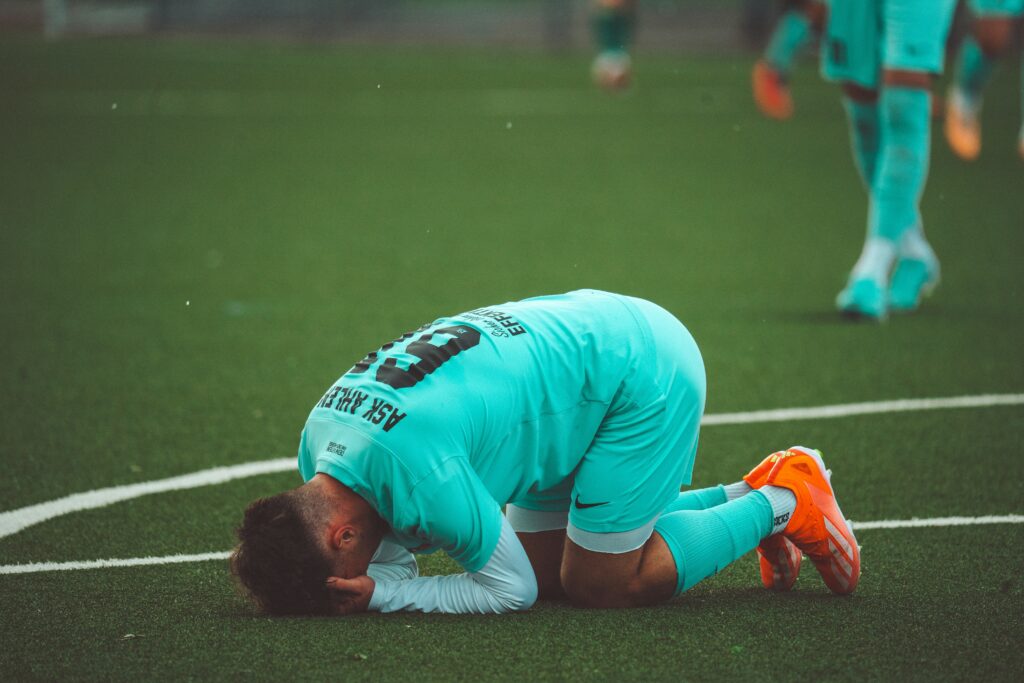
Why the Right Warm-Up Changes Everything
Too many injuries happen before the game even gets going. Pulled hamstrings, sprained ankles, tight groins—they’re not random. They’re predictable, and often preventable. That’s where targeted warm-ups come in. These aren’t your high school jog-a-lap-then-stretch routines. We’re talking high-efficiency sequences that prep the exact joints, muscles, and neural pathways players will rely on in real scenarios.
A well-structured warm-up isn’t just getting loose. It wakes up the nervous system, primes movement patterns, and ensures the body can hit high speeds safely. Football is fast and dynamic—your prep needs to match that. When done right, athletes stop thinking of warm-ups as side tasks and start treating them like injury insurance.
In 2024, the pro mindset starts before the whistle. Skip the outdated drills. Upgrade to routines that actually deliver: fewer injuries, better movement, and more game time at full capacity.
Phase 1: Dynamic Mobility Activation
Start the warm-up with 5 to 7 minutes of controlled, deliberate movements. This isn’t about speed—it’s about precision. You want to open up the hips, shoulders, and ankles, the joints that carry the most stress in football. Locking in range of motion here sets the table for everything that comes after.
Walking lunges with rotation are a staple. They stretch the hip flexors while waking up the spine and core. Resistance band lateral walks hit the glutes and abductors—key for stability and lateral quickness. Inchworms might look simple, but they zero in on hamstrings, calves, and shoulder activation all at once.
These movements aren’t just about flexibility. They prime the nervous system. Think of it as flipping the switch from “off” to “ready to explode.” Better mobility means faster reaction time, cleaner movements, and lower injury risk. Skip this phase and your game—and your body—pays for it later.
Phase 2: High-Speed Neural Activation
This is where things switch from loose to lit. After mobility, you need to get fast—fast in the head, fast in the feet. High-speed neural activation is about waking up the nervous system so it can fire on command. No fluff. Just sharp, short movements that flip the switch before real action starts.
Drills like high knees, A-skips, and quick-feet cone work are your go-to here. Keep them snappy. Think short bursts—15 to 30 seconds. The goal is precision, not burnout. These drills build reaction speed and improve signal flow between your brain and your muscles. That’s crucial when you’ve got to sprint, stop, cut, or chase a loose ball without pulling something.
Skipping this phase can cost you. The nervous system needs to be fully online to handle sudden acceleration and stop-start play without strain. This is injury prevention in motion.
Do these right, and the difference will show up in your first five minutes on the pitch.
Phase 3: Position-Specific Movement Patterns

Not every footballer moves the same, so why should every warm-up? This phase dials in patterns based on where you play. Defenders need quick, lateral steps and strong plant mechanics—close-range shuffles, pivot drills, and backpedal-to-sprint movements are key. Strikers want sharp cuts, explosive changes in direction, and split-second sprints; think resistance band accelerations, short-angle turns, and reaction-based finish drills. Goalkeepers? It’s all about explosive dives, lateral hops, and quick recovery to stance—low reps, high focus.
Intensity matters here, but control matters more. You’re simulating real game demands without frying yourself before kickoff. That balance sharpens neuromuscular timing and teaches your body to move efficiently under pressure. Done right, this phase fights off sloppy mechanics and repetitive strain—the kind that leads to tweaks, pulls, and worse.
Whether you’re covering a winger, crashing the box, or preparing to launch into a corner-save, position-specific warm-ups create movement habits that hold up when the pace gets real.
Phase 4: Pre-Game Stretch Integration
Static stretching before a match? Outdated. Instead, the game now leans into short, deliberate flexibility drills tucked between active warm-up sets. Think leg swings, deep lunges with rotation, or standing hamstring reaches done in dynamic fashion. These aren’t done to kill time—they’re surgical. Target your hip flexors, hamstrings, and lower back, because those are the hotspots most likely to tighten, strain, or pull under pressure.
You don’t need a yoga mat or 20 quiet minutes. Drop these drills in between your movement rounds, holding each for 2–3 seconds, repeating with control. It resets muscle tension just enough to keep movement sharp without over-relaxing tissues you’ll count on to fire hard.
Want to go deeper on flexibility without slowing down your warm-up? Check out our full stretching and flexibility guide.
Cool-Down Completes the Cycle
Too many players treat cooldowns like optional homework—easy to skip, easy to forget. But skipping cooldowns makes each warm-up you did earlier less effective. Why? Because a good cooldown helps lock in the mobility, circulation, and muscle prep you built in warm-up phases. Without it, your muscles tighten again, lactic acid lingers, and recovery slows down.
A proper cooldown only takes 5–10 minutes. Keep it simple: light jogging or walking to lower your heart rate, followed by static stretches targeting the muscle groups you just used—think hamstrings, calves, quads, and hip flexors. It’s about resetting your system so you show up stronger next session, not stiffer.
This isn’t fluff. It’s injury prevention, built in. Dial it in, and your next warm-up won’t be wasted just trying to get your body back to baseline.
Get deeper cooldown plans in our full guide: warm-up and cool-down tips
Final Notes: Make It Habit, Not Hype
One solid warm-up won’t save your season. But stacking them, week after week? That’s where injuries drop and performance grows. Think of warm-ups the same way you think of training: regular, focused, and non-negotiable. Skip it, and you’re not just risking strain—you’re missing a chance to get sharper before the first whistle.
Consistency beats intensity here. You don’t need a new routine every match, but you do need to build habits and track how your body responds. Notice tight hips after last weekend? Adjust your mobility work. Quads fatiguing fast? Add activation for knee stability. It’s not about being fancy—it’s about being intentional.
When done right, the warm-up isn’t just protection against injury. It actually primes power, precision, and speed. So don’t treat it like a checkbox. Build it into your identity as an athlete.
 Chris Franconso is a distinguished contributor at Awesome Football Network, where he plays a pivotal role in delivering high-quality football content. With a deep-seated passion for the sport and extensive knowledge, Chris provides readers with thorough match previews, insightful tactical analyses, and detailed player assessments. His writing is marked by its clarity and depth, offering a comprehensive understanding of the game that caters to both casual fans and dedicated professionals.
Chris’s expertise extends beyond just reporting; he brings a nuanced perspective to football journalism that enhances the reader's experience. His commitment to presenting accurate and engaging content helps Awesome Football Network maintain its reputation as a leading source for football news and analysis. Through his work, Chris contributes to the platform’s mission of enriching the football community with relevant and timely information.
Chris Franconso is a distinguished contributor at Awesome Football Network, where he plays a pivotal role in delivering high-quality football content. With a deep-seated passion for the sport and extensive knowledge, Chris provides readers with thorough match previews, insightful tactical analyses, and detailed player assessments. His writing is marked by its clarity and depth, offering a comprehensive understanding of the game that caters to both casual fans and dedicated professionals.
Chris’s expertise extends beyond just reporting; he brings a nuanced perspective to football journalism that enhances the reader's experience. His commitment to presenting accurate and engaging content helps Awesome Football Network maintain its reputation as a leading source for football news and analysis. Through his work, Chris contributes to the platform’s mission of enriching the football community with relevant and timely information.