Why Keeping Your Gear in Top Shape Matters
If your pads fail, your performance suffers—simple as that. Whether you’re taking or delivering hits, protection is your first line of defense. Pads that fit right and hold up on impact translate to cleaner plays, sharper movement, and way less hesitation.
It’s also about cost. Replacing gear every season adds up fast. Learning to patch minor cracks or restitch torn straps can stretch your budget without sacrificing quality.
And let’s not ignore injuries. Split foam or busted buckles won’t just slow you down—they open the door to real harm. That’s why keeping gear at 100% isn’t optional.
A quick plug here: schedule regular equipment inspections. Even a 10-minute once-over catches small problems before they bench you for good.
Step 1: Inspect Before You Repair
Start simple. Before you even think about grabbing tools or glue, take a good look at your pads. Cracks in the hard shell, frayed straps, torn fabric—those are the obvious signs. But don’t stop there. Small stress points build up over time, especially in high-impact games. A loose rivet or tiny tear might not seem like much now, but under pressure, that’s what fails first.
Make inspection part of your pre-game or post-practice routine. Go section by section: shoulder caps, chest plate, straps, buckles, and padding. Build yourself a visual checklist, something fast and repeatable. The quicker you can ID weak spots, the less likely you are to get burned on game day. Gear doesn’t fail all at once—it breaks little by little. Catch it early, and the fix is easier.
Step 2: Fixing Cracks in Hard Shells
Small cracks don’t mean the end of a pad—if you catch them early and repair them right. For hairline splits, epoxy or poly cement will give you a strong bond that lasts through contact. Don’t rush it. Let it cure fully before you suit up again.
For deeper fractures, molded patch kits come in clutch. Heat-moldable plastic lets you reinforce the weak spot without throwing the whole pad out. Make sure to sand the cracked area lightly and clean it thoroughly first—grime kills adhesion and leaves you with a weak fix.
Still, not everything’s worth saving. If the crack runs across a stress point (like the shoulder hinge) or spreads after each use, that’s your sign to replace. A bad shell can’t protect what it’s supposed to—and that’s not a risk worth taking.
Step 3: Repairing Shoulder Pad Straps and Buckles
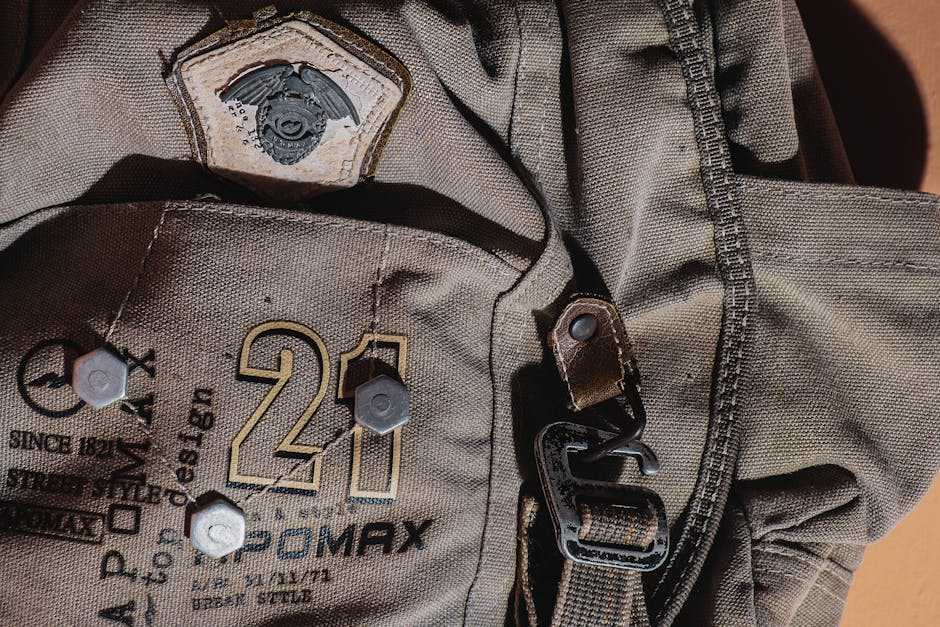
Straps are the first to go. If yours are fraying or gone entirely, strip them off and replace with nylon webbing. It’s strong, easy to source, and made to take hits. Cut the webbing to size, singe the edges with a lighter to stop fraying, and stitch it in using heavy-duty thread. No sewing machine? Hand-sew it tight or double down with zip ties—quick fixes that’ll hold until you can do it right.
For busted buckles, salvage parts from old gear before tossing it, or order replacements built for contact sports. Skip the cheap plastic ones; they’ll fail when you need them most. Football-grade hardware is built to click and hold under pressure—and that’s exactly what you want mid-game.
Step 4: Foam Padding Touch-Ups
Foam padding takes a beating, but it doesn’t mean you have to scrap the whole pad. Start by re-gluing any loose foam with athletic-grade adhesive—the kind designed to flex and take impact without peeling off mid-season. Skip the cheap stuff from your junk drawer. Household glue might hold for a day, but after one hard hit, it’ll give out.
If the padding is flattened and useless, don’t just layer more glue on top—swap it out. Use closed-cell foam inserts, the kind used in actual sports gear. They’re dense, resilient, and built for contact. Cut to size and lock them in place properly. Good foam equals good protection. And in this game, you’ll feel it if you cut corners.
Step 5: Sweat, Smell, and Disinfection
Gear doesn’t just take hits—it absorbs sweat, bacteria, and all kinds of locker room funk. Left unchecked, that stuff breaks down padding fast and makes your gear a biohazard.
Start by deep-cleaning your pads once a month with an anti-microbial spray. Not just a Febreze spritz, either—look for sprays made for athletic gear that kill bacteria, not just mask odor. Flip the pads open, spray thoroughly, and let them sit for a bit before wiping down any buildup.
Next, if your pads trap too much moisture, consider drilling a few small vent holes—carefully. Too many or in the wrong spots, and you’ve weakened the frame. Just enough to help air flow and reduce mildew risk. Measure twice, drill once.
Most important of all? Air them out. Every time. Tossing your pads in a closed bag after practice is a short road to rot. Open them up, hang them somewhere dry, and let them breathe. It’s low-effort protection that pays off every season.
Keep Gear Game-Ready
If you want your pads to last, treat maintenance like conditioning—do it regularly, not just when something breaks. A weekly checkup can catch small damage before it becomes game-stopping.
Every player should carry a basic repair kit. Toss in zip ties, nylon webbing, a heavy-duty needle and thread, foam inserts, and adhesive. Doesn’t need to be fancy, just effective. You don’t want to be the one searching for duct tape five minutes before kick-off.
For anyone looking to go beyond the basics, this step-by-step guide on football pad repair has all the upgrades and troubleshooting tips you’ll need.
Final Thought
Don’t wait until something gives out mid-game. A torn strap or cracked pad can knock you out of the play—and maybe the season. Learning a few basic repair tricks keeps your gear ready and your head in the game. It’s not about perfection. It’s about not letting small failures turn into big problems. Make repairs regularly, and your pads will last longer, perform better, and save you from shelling out for replacements. Stay sharp. Stay patched.
 Chris Franconso is a distinguished contributor at Awesome Football Network, where he plays a pivotal role in delivering high-quality football content. With a deep-seated passion for the sport and extensive knowledge, Chris provides readers with thorough match previews, insightful tactical analyses, and detailed player assessments. His writing is marked by its clarity and depth, offering a comprehensive understanding of the game that caters to both casual fans and dedicated professionals.
Chris’s expertise extends beyond just reporting; he brings a nuanced perspective to football journalism that enhances the reader's experience. His commitment to presenting accurate and engaging content helps Awesome Football Network maintain its reputation as a leading source for football news and analysis. Through his work, Chris contributes to the platform’s mission of enriching the football community with relevant and timely information.
Chris Franconso is a distinguished contributor at Awesome Football Network, where he plays a pivotal role in delivering high-quality football content. With a deep-seated passion for the sport and extensive knowledge, Chris provides readers with thorough match previews, insightful tactical analyses, and detailed player assessments. His writing is marked by its clarity and depth, offering a comprehensive understanding of the game that caters to both casual fans and dedicated professionals.
Chris’s expertise extends beyond just reporting; he brings a nuanced perspective to football journalism that enhances the reader's experience. His commitment to presenting accurate and engaging content helps Awesome Football Network maintain its reputation as a leading source for football news and analysis. Through his work, Chris contributes to the platform’s mission of enriching the football community with relevant and timely information.